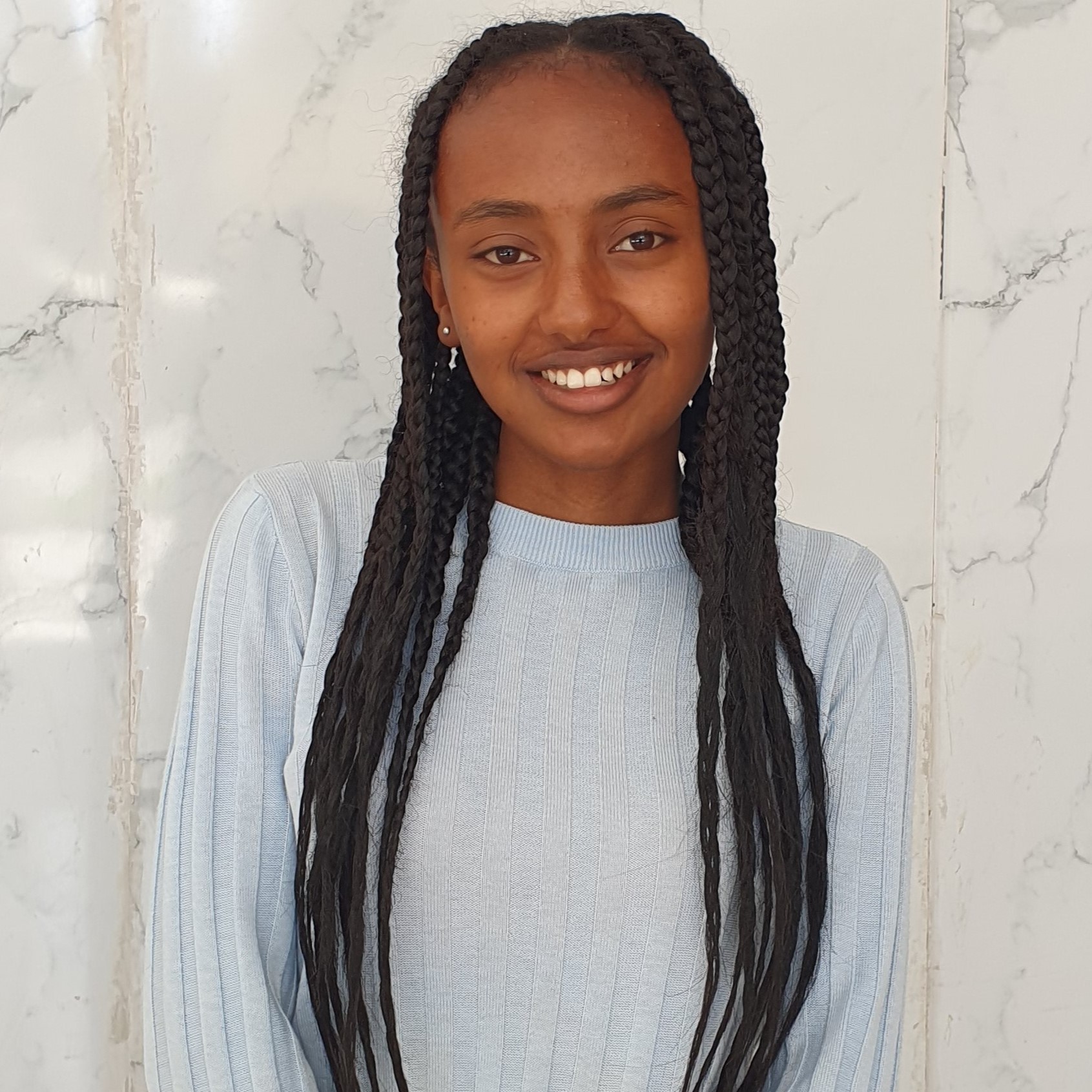
About Me
I am an MS in Data Science student at Fordham University, building on my background in software engineering, AI, and data-driven problem solving. My academic and professional journey has included hands-on experience in software development, machine learning, and research, and I am passionate about using data science to create meaningful impact. I am grateful for the opportunities that have shaped my path and excited to continue growing in the field.
News
June 26, 2026 From “how do people even do research?” to seeing my name on an ACL paper. I’m so proud to share that our paper, “Evaluating Machine Translation Datasets for Low-Resource Data Languages: A Gendered Lens,” has been accepted to ACL 2026 Findings! This was my very first research experience, something I started during my undergrad and carried through after graduating, long before I had any real sense of what “doing research” actually meant. For the longest time, research felt like this fascinating but mysterious world I could see from the outside but didn’t know how to enter. I didn’t know how papers were written, how ideas became studies, or how findings made their way to conferences. Now I do, and I owe so much of that to Hellina Hailu Nigatu, who believed in me, gave me the opportunity, and guided me through every step of the process. I’m endlessly grateful. And what a paper to learn with. I got to be one of seven women writing about gender bias in NLP — and sitting with that still gives me chills. Because the work itself was genuinely eye-opening: instead of examining model outputs like most bias research does, we went upstream and looked at the data, specifically MT training and evaluation datasets in Amharic, Tigrinya, and Afaan Oromo. We asked, “What gendered assumptions are already embedded before a model ever trains?” The findings were sobering. A heavy skew toward male representation in person names and verb grammar, stereotypical depictions, and harmful, toxic portrayals of women is more prominent in the language with the most data. More data does not mean better data. Using NER, Topic Modeling, Masked Language Modeling, and qualitative analysis to uncover these patterns felt like giving a voice to something that had been quietly sitting in the data all along. I’m proud this work gets to be heard at one of the most prestigious NLP conferences in the world: ACL 2026 in San Diego! Thank you to Hellina Hailu Nigatu, my incredible co-authors Bontu Fufa Balcha, Debora Taye, Elbethel Daniel Zewdie, Ikram Behiru (Hubi), Jitu Hailu, and Senait Mengesha, and to the ACM FAccT Scholars programme for funding this work. Pre-print: https://lnkd.in/d8g-kAY9
July 2026 Paper number two is out in the world! I’m so proud to share that our paper, “Yeswa-Stories: A Three-Way Parallel Dataset of Female African Figures in Low-Web Data Languages,” has been published at GITT 2026: the 2nd International Workshop on Gender-Inclusive Translation Technologies. “Yeswa” means “her” in Amharic — and that’s exactly what this dataset is about: putting women at the center of the data. It’s a three-way parallel dataset of 1,300 aligned sentences across Amharic, Afaan Oromo, and Tigrinya, built for studying gender-inclusive machine translation in languages that are too often left out of NLP entirely. But here’s the part I want to be honest about: building this dataset was hard. We started out wanting to collect stories about Ethiopian women directly from local sources. What we found instead was… almost nothing. The content was scarce, undigitized, or scattered in formats no one could actually build a dataset from. Parallel articles about women across all three languages? Basically nonexistent. That absence itself says so much about whose stories get recorded and preserved. So we pivoted. We collected English sentences from Wikipedia articles about notable women and then worked with human translators to render them into all three languages—one careful sentence at a time, navigating a shortage of skilled translators and a tight budget the whole way. Then, to make sure the dataset actually reflected the cultures where these languages live, we augmented it with locally sourced material: news, cultural writing, traditional roles, festivals, and everyday life. Every sentence is human-translated. When we evaluated NLLB and Google Translate on it, the scores were sobering — far below what these systems manage on news and Wikipedia text. Female-centered, culturally grounded narratives are simply harder for current systems, and that’s precisely the point. If the data doesn’t include us, the models won’t either. None of this would exist without Hellina Hailu Nigatu, who has now guided me through not one but two papers. Thank you.
August 2, 2024 I’m happy to announce that I’ve been selected to participate in a one-year research program on Local Machine Translation Models, under the mentorship of Hellina Hailu Nigatu, who is one of the FAccT DEI Scholars for 2024. As one of the two BSc women chosen from Addis Ababa Institute of Technology, I am excited to contribute to this important work in advancing AI and machine translation. I’m looking forward to the challenges and learning opportunities ahead!
January 5, 2024 I’m excited to share that I’ve been selected as the Head of Community Education at A2SV! 🎉 In this role, I will be leading initiatives to support and empower students in their journey to mastering data structures, algorithms, and software development. I’m looking forward to working with the A2SV community to help create more opportunities for learning and growth. It’s an honor to contribute to such a vibrant and impactful community!
December 20, 2023 I’m happy to share that I’ve been selected for a 6-month internship program at Super Consult, Addis Ababa University! 🎉 During this internship, I’ll be working on an Integrated Research Management System for the Institute of Foreign Affairs, under the mentorship of Betsegaw Lemma Amersho and Tigabu Dagne. Looking forward to the journey ahead!
November 28, 2022 I’m excited to announce that I’ve been accepted into Cohort 4 of the A2SV program! 🎉 I’m looking forward to developing my skills in data structures, algorithms, software development, and communications alongside a talented group of peers.
November 2, 2022 I’m excited to share that I’ve been accepted as an intern at iCog Labs! 🎉 I’m looking forward to contributing to their AI projects and gaining valuable experience in the field.
April 18, 2025 I’m excited to continue building my data science journey through hands-on learning, experimentation, and problem solving. As I prepare for the next chapter of my academic and professional life, I’m grateful for every opportunity that has shaped my growth and strengthened my passion for data and AI.
May 14, 2025 I’m grateful to share that I’ve been accepted to pursue my Master of Science in Data Science at Fordham University. This opportunity is a major milestone in my journey and reflects years of dedication, learning, and growth in data, AI, and software engineering. I’m excited to begin this new chapter and look forward to contributing to meaningful work in data science and machine learning.